Associate Professor · HDR

Lokmane
Abdelouahed.

Transforming biomass.
Preserving resources.

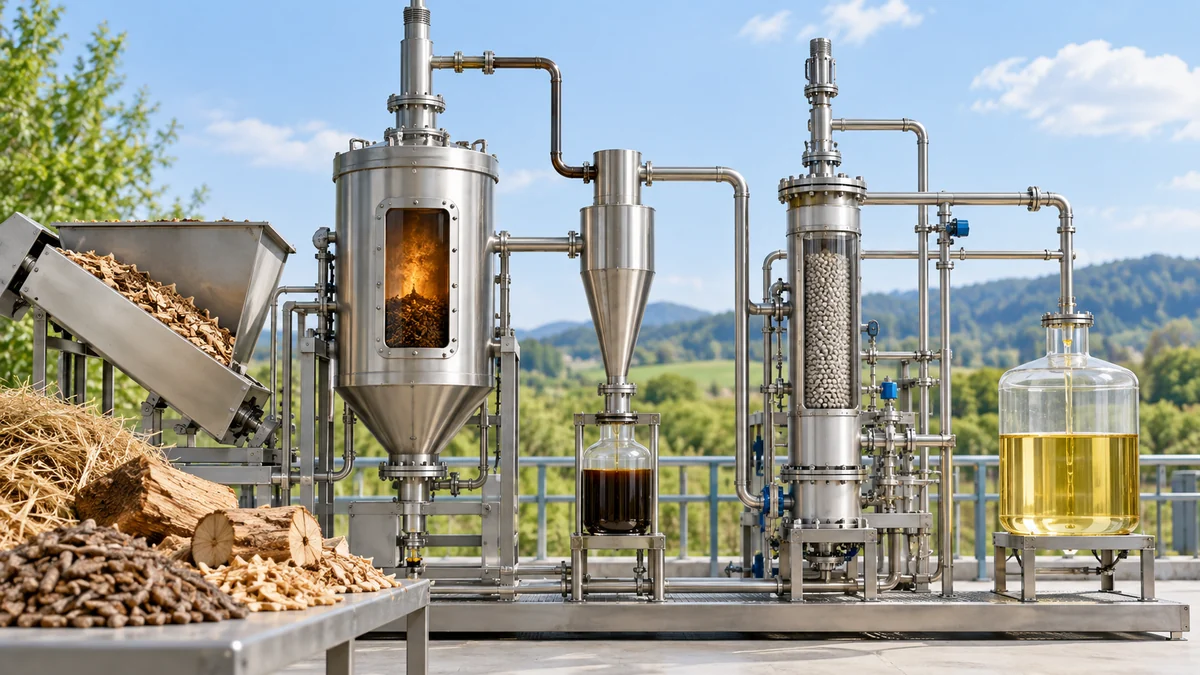
I study processes that turn biomass and waste into energy, materials and solutions for water treatment.

INSA Rouen Normandie
Chemical Process Safety Laboratory · LSPC–MRIE
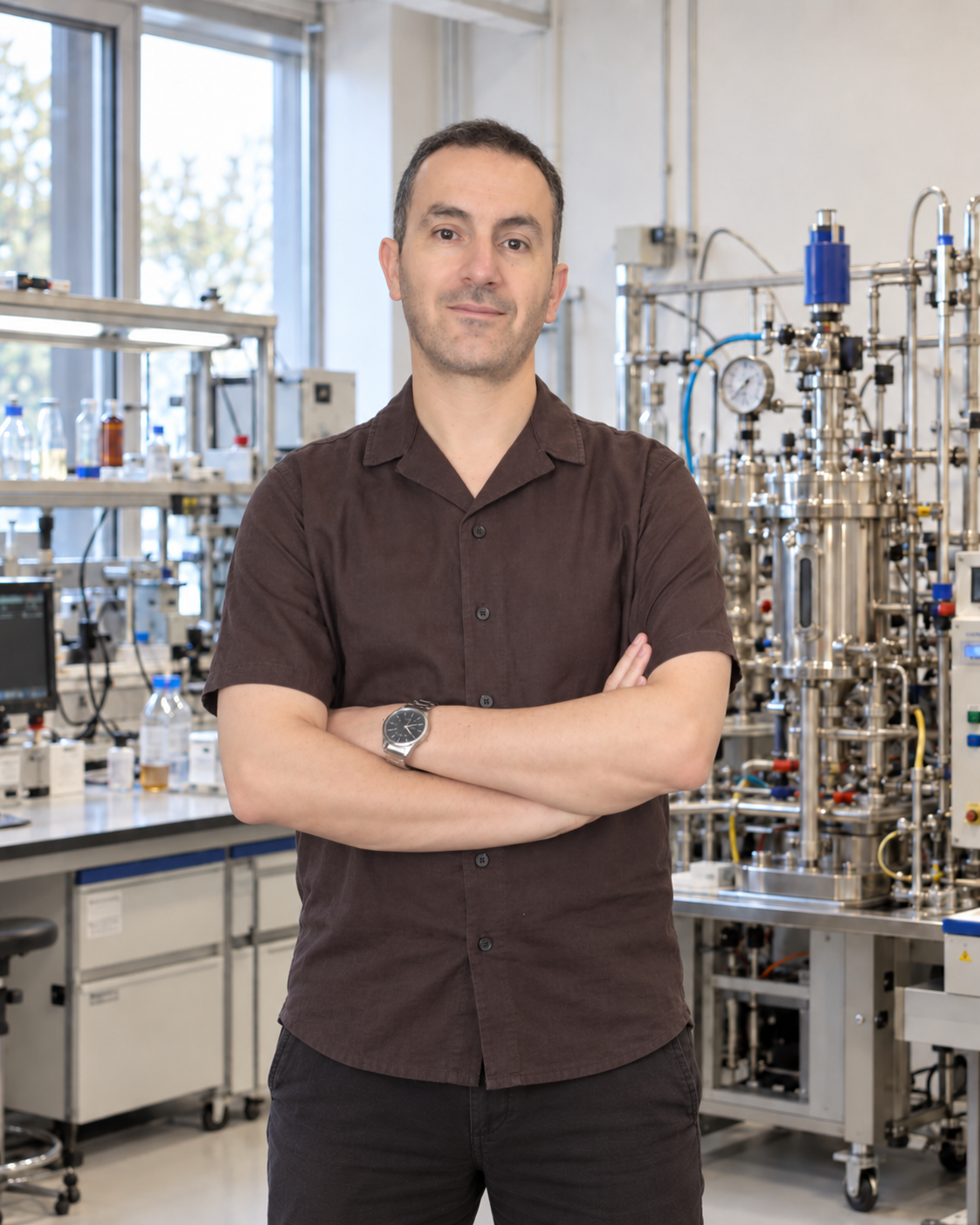
Portrait of Lokmane Abdelouahed in a laboratory, standing with his arms crossed
ExperimentationModellingEnvironmental assessmentScientific collaboration

01 / Research areas

Connecting matter,
energy and water.

From understanding mechanisms to evaluating processes, my work combines experiments, simulation and performance assessment.

01Thermochemical conversion

Biomass & hydrogen

Understanding and optimising pyrolysis, gasification and catalytic reforming to convert biomass into useful energy gases.

PyrolysisGasificationH₂
Research questions

How do biomass composition and operating conditions influence product distribution? How can we improve gas quality and reduce tar formation?
02Biomass-derived materials

Biochar & biocomposites

Producing, characterising and activating biochars to explore their use as adsorbents, catalyst supports and fillers in composite materials.

ActivationCatalysisBiocomposites
Research questions

How are production conditions, porosity and surface chemistry related? How can these properties be tailored to an application, and how stable is the resulting material?

03Treatment & resource recovery

Water & circular economy

Combining physicochemical and biological treatments to remove pollutants and explore the recovery of water, energy and nutrients.

PhotocatalysisMicroalgaeAnaerobic digestion
Research questions

How can photocatalysis, electrocoagulation and biological processes work together? How can microalgae cultivation and anaerobic digestion be integrated into a resource recovery chain?

04Design & assessment

Process modelling

Connecting experimental data with kinetic models and simulations to compare resource recovery pathways and inform process design.

Aspen PlusMATLABLife cycle assessment
Research questions

Which parameters determine process performance? How can energy efficiency, technical and economic feasibility, and environmental impacts be assessed together?

A shared approach

Characterise the resource. Understand the mechanisms. Design the process. Assess its impacts.

02 / Facilities & modelling

Experiments & simulation.

Experimental reactors and process simulation tools for biomass conversion. Explore the setups, models and research applications documented in our publications.

01 / Pyrolysis & co-pyrolysis

Spoon-fed reactor

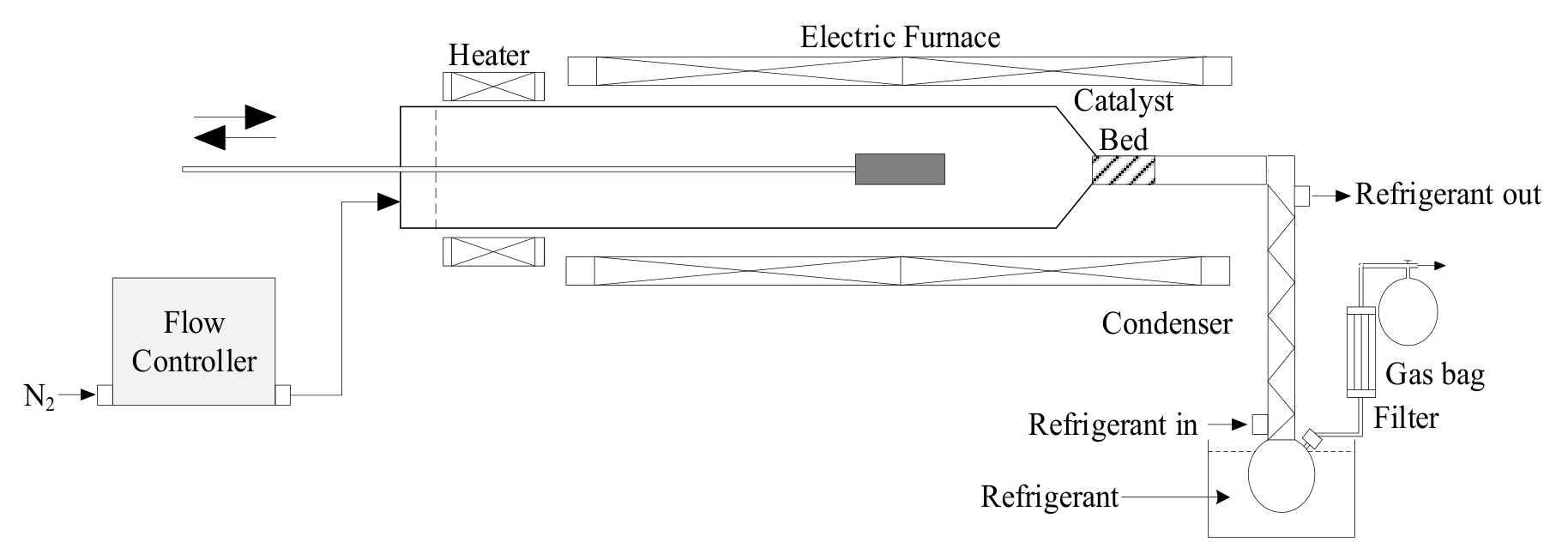
Published schematic of the spoon-fed tubular reactor, showing the movable sample carrier, nitrogen supply, electric furnace, downstream catalyst bed, condenser and gas bag.
Figure 12 · Molecules, 2023View full-size figure

Jaafar et al. — Upgrading Pyrolytic Oil via Catalytic Co-Pyrolysis of Beechwood and Polystyrene. Captured from p. 16; cropped around the figure. © 2023 the authors · CC BY 4.0.

A semi-continuous quartz tubular reactor with a stainless-steel spoon for introducing samples into the heated zone. Vapours pass through a downstream catalyst bed before condensation; nitrogen maintains an inert atmosphere.

Used in our research

Co-pyrolysis of beechwood and polystyrene to improve the resulting oil. Experiments compared zeolite catalysts, biomass-to-plastic ratios and temperature, examining their effects on oxygen removal and oil composition.

Conditions in the cited study

Reaction temperature
450–600 °C
Typical sample
3 g
Nitrogen flow
400 mL/min

02 / Biochar gasification

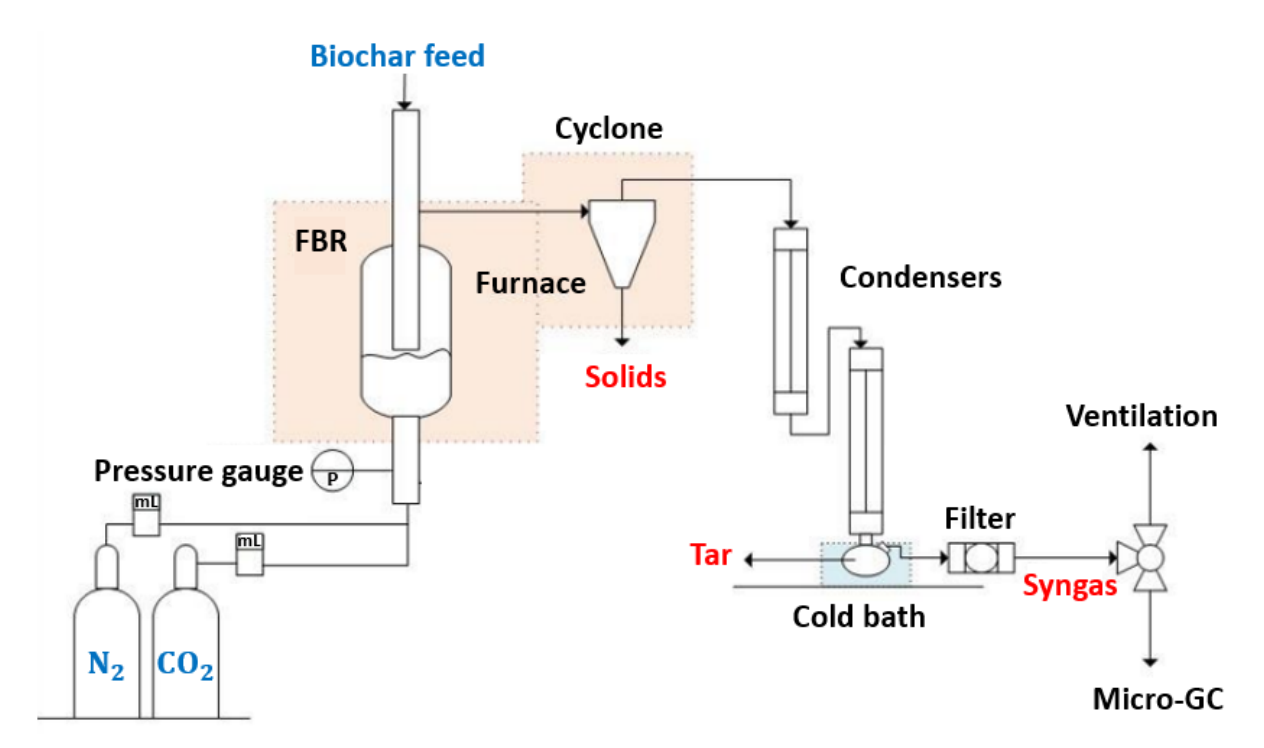
Fluidised bed reactor

Published gasification setup showing nitrogen and carbon dioxide feeds, the heated fluidised bed, a cyclone, two condensers, a cold bath, a filter and micro-GC gas analysis.
Figure 1 · Fuels, 2025View full-size figure

Reyes et al. — The Development of a Kinetic Model for Biochar Gasification with CO₂: Comparison Between a Thermogravimetric Analyzer and a Fluidized Bed Reactor. Captured from p. 5; cropped around the figure. © 2025 the authors · CC BY 4.0.

A gas–solid reactor with a stainless-steel tube, a cyclone, condensers and gas analysis. Biochar is mixed with sand, heated under nitrogen and then exposed to CO₂ for isothermal gasification.

Used in our research

Gasification of beechwood biochar to develop kinetic models and compare reactor measurements with thermogravimetric analysis. The study examined temperature, CO₂ partial pressure and the CO₂-to-carbon ratio.

Conditions in the cited study

Gasification temperature
800–1000 °C
Charge per run
100 mg char · 10 g sand
Internal diameter
22 mm

03 / Continuous pyrolysis & catalytic upgrading

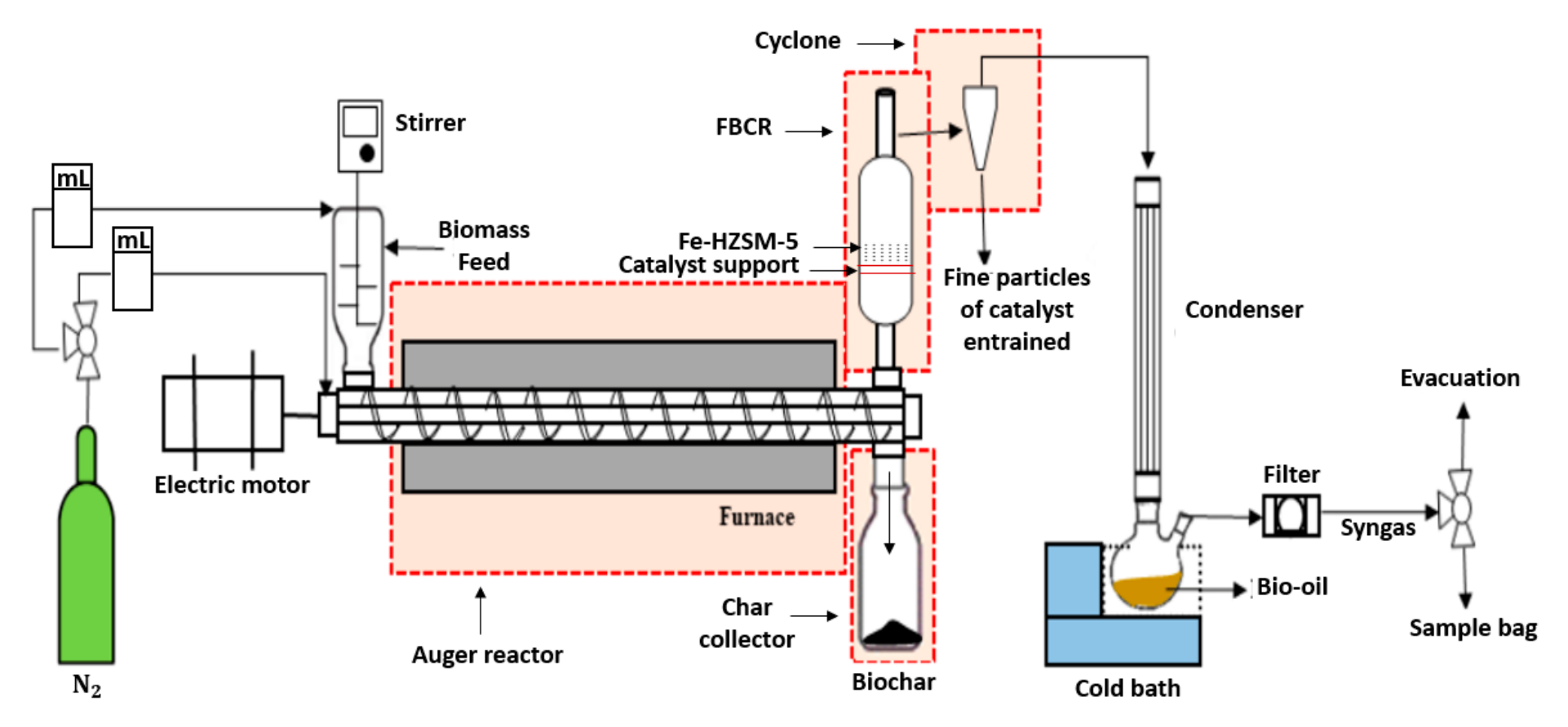
Auger reactor

Published schematic of a motor-driven auger moving biomass through a furnace, coupled to a fluidised catalytic bed, cyclone, char collector, condenser and gas sampling system.
Figure 1 · Processes, 2024View full-size figure

Campusano et al. — Improvement of Properties of Bio-Oil from Biomass Pyrolysis in Auger Reactor Coupled to Fluidized Catalytic Bed Reactor. Captured from p. 5; cropped around the figure. © 2024 the authors · CC BY 4.0.

A motor-driven screw transports biomass continuously through a heated stainless-steel tube. Its speed controls solid residence time. In the illustrated configuration, vapours then enter a separate fluidised catalytic bed before condensation.

Used in our research

Beechwood pyrolysis followed by catalytic upgrading with iron-modified HZSM-5 zeolites. The work assessed how temperature, residence time and catalyst iron loading affected bio-oil yield and composition.

Conditions in the cited study

Pyrolysis temperature
400–600 °C
Solid residence time
2–8 min
Catalytic bed temperature
450–550 °C

04 / Process simulation

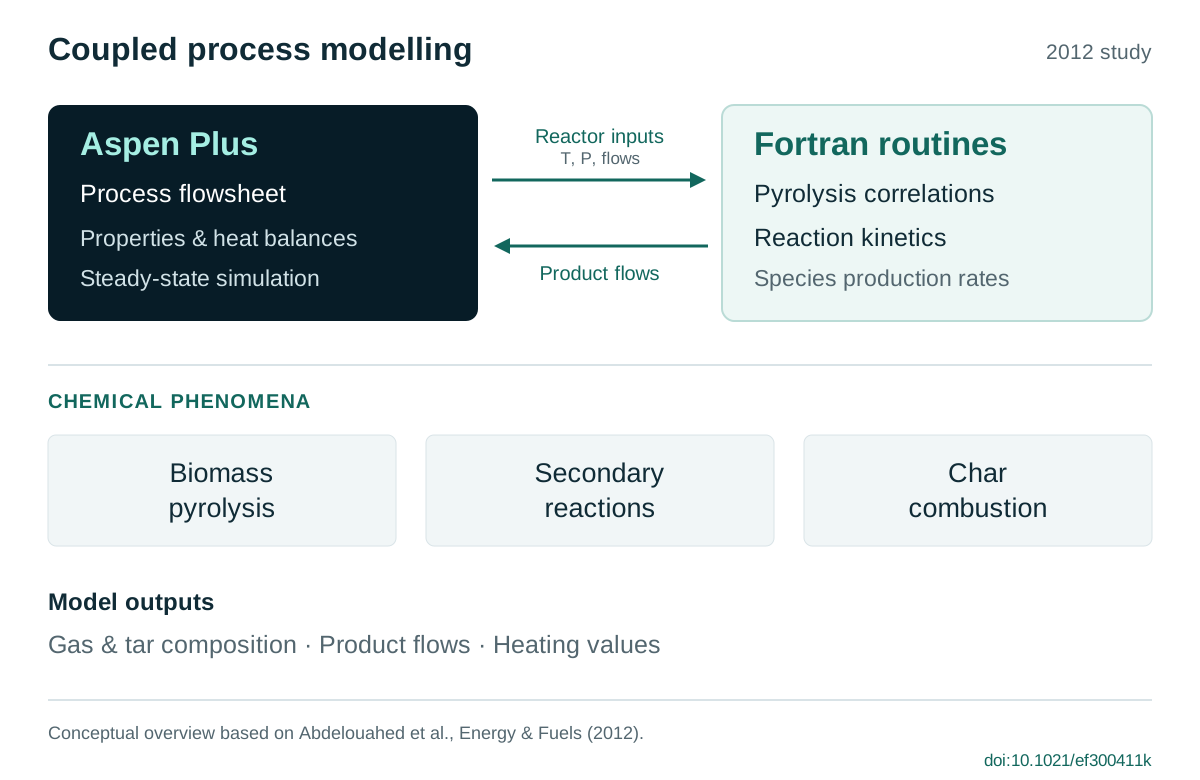
Aspen Plus process modelling

Conceptual overview of the Aspen Plus–Fortran coupling and the modelled chemical phenomena.
Model overview · 2012 studyView model diagram

Abdelouahed et al. — Detailed Modeling of Biomass Gasification in Dual Fluidized Bed Reactors under Aspen Plus. Energy & Fuels 26, 3840–3855 (2012). Explanatory diagram created for this website from the study.

An Aspen Plus model coupled with Fortran routines for dual fluidised bed biomass gasification. It combines pyrolysis correlations, reaction kinetics and char combustion to calculate material and energy balances.

Used in our research

The 2012 study compared predictions with TNEE and FERCO experimental data, including gas and tar composition, flow rates and heating values. It also examined the influence of water–gas shift kinetics.

Modelling framework

Simulation type
Steady state
Case studies
TNEE · FERCO
Application
Biomass gasification

Interested in a collaborative experiment, a modelling study or a research partnership?

Discuss a project

03 / Research projects

Advancing research.
Together.

Collaborative research in water treatment, renewable hydrogen, biomass conversion and circular resource recovery.

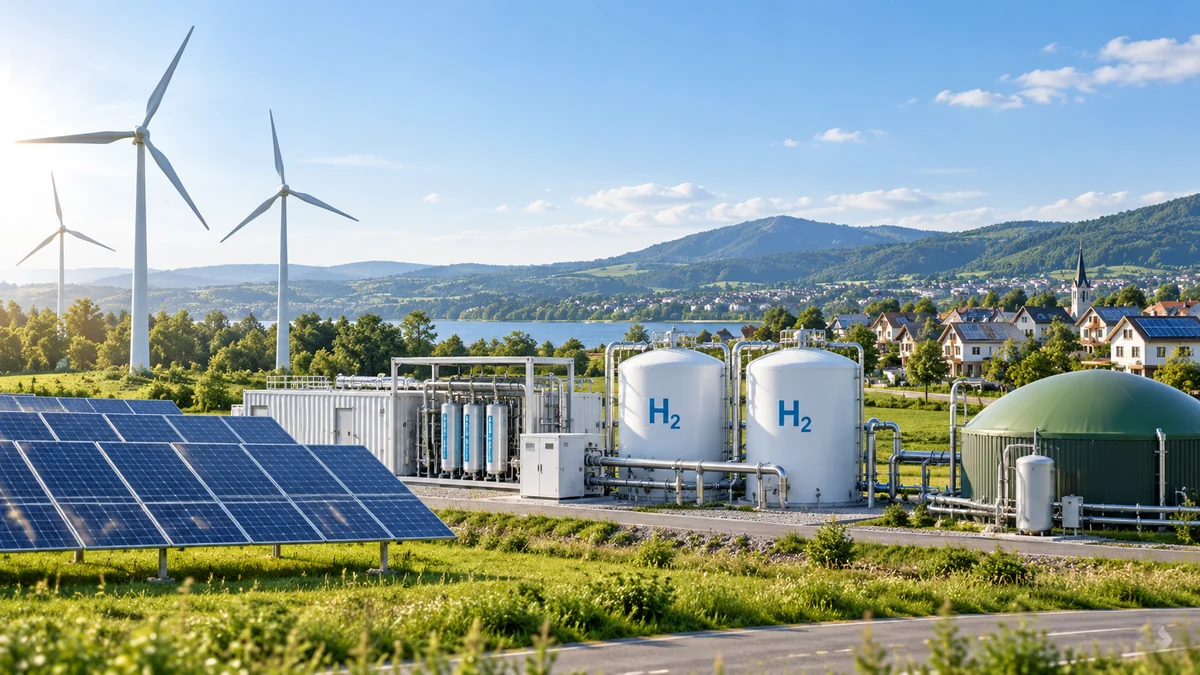
Conceptual illustration of renewable hydrogen production and storage connected with solar panels, wind turbines and a local community.
Interreg North-West Europe2017–2021

GenComm

Renewable hydrogen for communities.

Principal Investigator

Contributed to renewable-hydrogen pathways for energy-secure communities through high-pressure bio-oil hydrodeoxygenation, Aspen Plus modelling of anaerobic digestion, electrolyser sizing, and integration with solar and wind energy.

Renewable hydrogenSystem integration
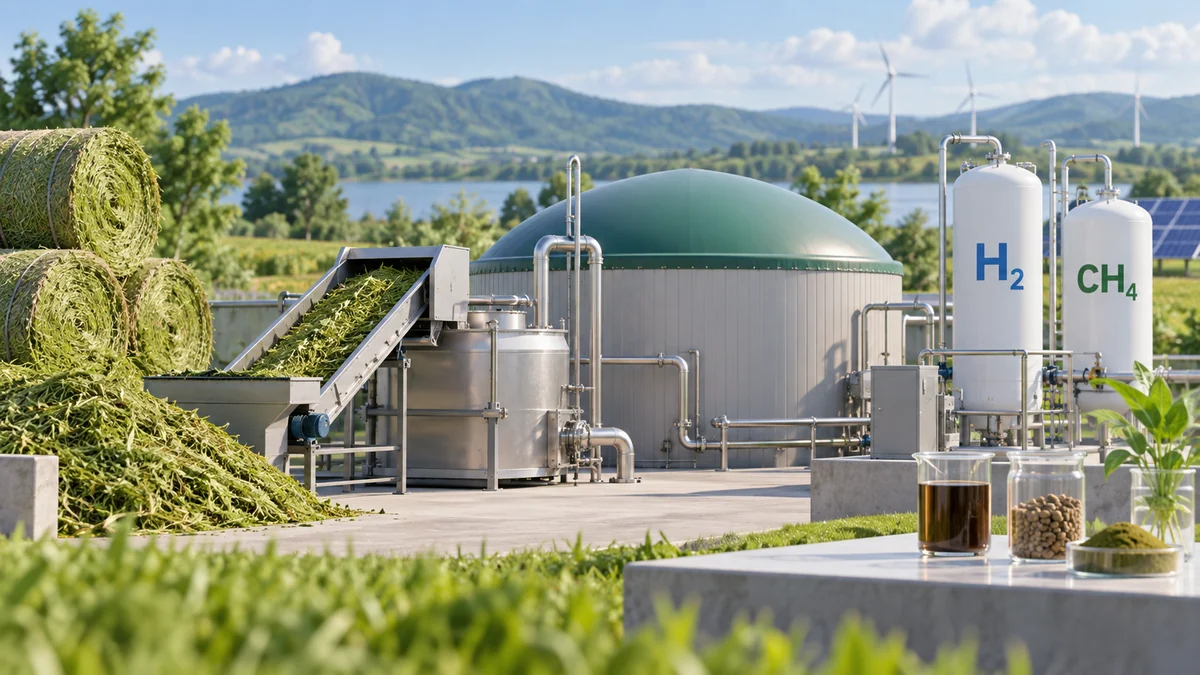
Conceptual illustration of grass biomass pretreatment and bioprocessing, with hydrogen and methane storage and product samples.
SEED Programme2026–2027

SCB-H₂

Grass biomass to useful products.

Work Package Leader

Sustainable conversion of grass biomass into hydrogen, methane and value-added products through pretreatment, bioprocessing and sustainability assessment.

Grass biomassBioprocessing
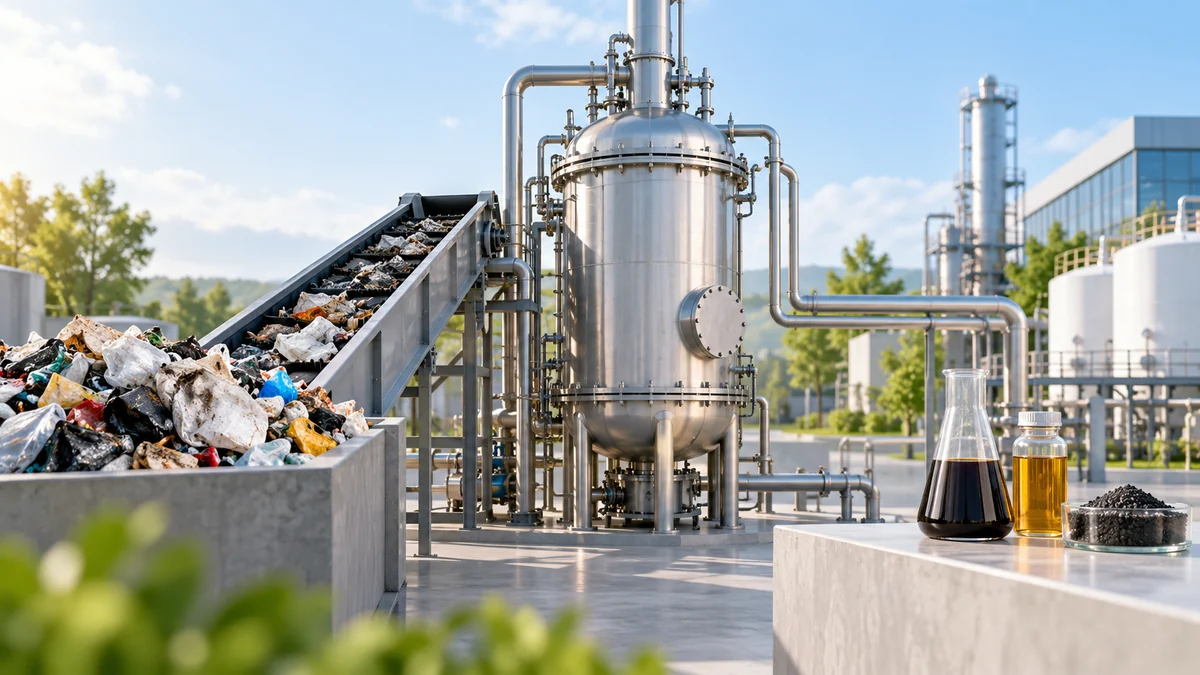
Conceptual illustration of residual waste entering a pyrolysis unit, with liquid and solid product samples in the foreground.
Industrial research partnership2025–2028

TotalEnergies

Waste pyrolysis & resource recovery.

Contractual research collaboration

Pyrolysis of non-recyclable waste for energy and material recovery, linking thermochemical conversion research with an industrial application.

Waste pyrolysisMaterial recovery
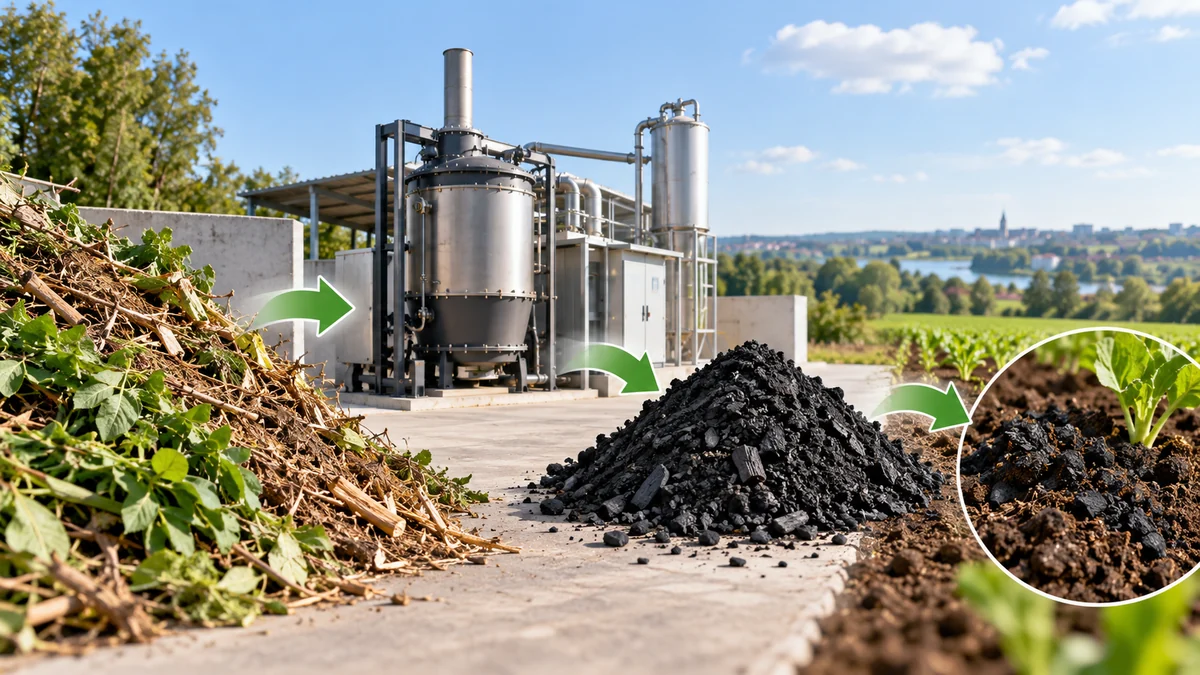
Conceptual illustration of green-waste biomass conversion into biochar and a possible soil application; not a photograph of a project installation.
Funded research collaboration2019–2021

SMEDAR-Fertivert

Municipal biomass & biochar.

Principal Investigator

Characterised municipal-biomass pyrolysis products, modelled an industrial biochar-production unit, and assessed large-scale pyrolysis feasibility and techno-economic performance.

Biochar productionTechno-economic assessment
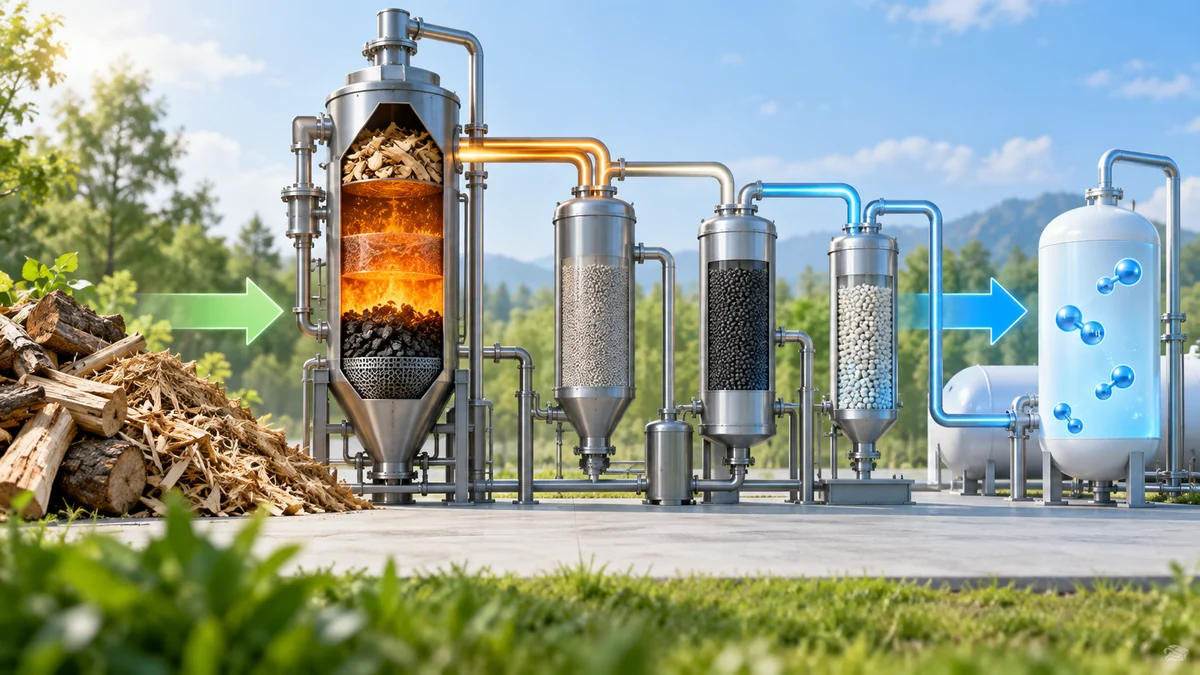
Conceptual illustration of a biomass gasifier followed by gas-cleaning and catalytic conversion stages leading to hydrogen production.
RIN2018–2021

RAPHYD

Biomass gasification for hydrogen.

Researcher

Contributed to multi-stage biomass-gasifier design, biochar-catalysed tar cracking, and hydrogen-production optimisation through methane reforming and the water–gas shift reaction. Performed energy and exergy assessment of the gasification system.

GasificationCatalytic tar cracking
Conceptual illustration of biomass pyrolysis, bio-oil collection and catalytic upgrading to a liquid product in a pilot-scale process.
GRR2015–2019

BIO-ENGINE

Upgrading biomass-derived bio-oil.

Principal Investigator

Investigated fast-pyrolysis bio-oil deoxygenation, designed and integrated biomass pyrolysis with a continuous catalytic hydrodeoxygenation reactor, and assessed the hydrodynamic feasibility of a fluid catalytic cracking unit for bio-oil upgrading.

Bio-oil upgradingHydrodeoxygenation

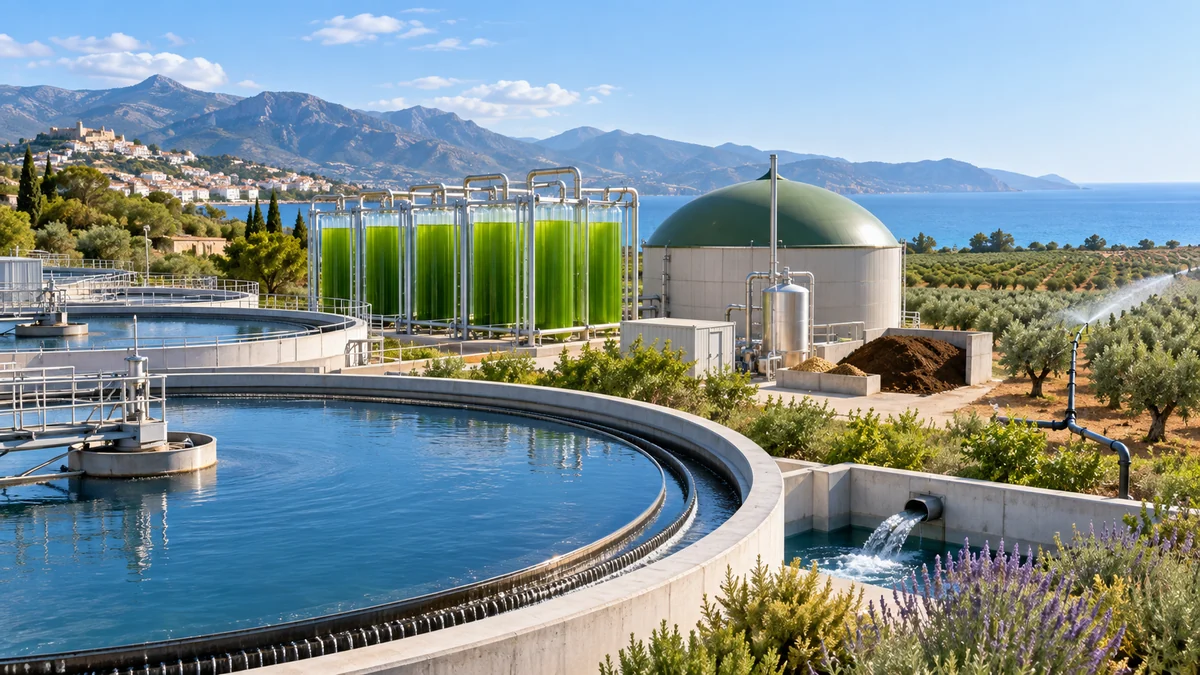
Images are AI-generated conceptual illustrations. They do not depict actual project facilities, equipment or demonstrated results.

04 / Publications

Explore the research.

A selection of co-authored papers, spanning biomass conversion, materials and catalysis.

All my publications on Google Scholar

6 selected publications

2026Article

Fuel Processing Technology

High-quality biochar from the catalytic pyrolysis of Brachychiton seeds: Optimization and characterization

Optimising catalytic pyrolysis and characterising biochar produced from Brachychiton seeds.

PyrolysisBiochar
Read paper
2026Article

Results in Chemistry · 20, 103036

Tailoring ZnO thin films via ALD: Impact of cycle number on structural, optical, wettability, photocatalytic and morphological properties

Investigating how deposition conditions relate to the properties and photocatalytic activity of ZnO thin films.

ZnOPhotocatalysis
Read paper
2025Article

Catalysis Today · 459, 115421

Copper-decorated Biochar derived from sludge as eco-friendly nano-catalyst for efficient p-nitrophenol reduction

Converting sludge into biochar-supported copper nanoparticles for the catalytic reduction of p-nitrophenol.

BiocharCatalysis
Read paper
2025Article

Fuels · 6(2), 34

The Development of a Kinetic Model for Biochar Gasification with CO₂: Comparison Between a Thermogravimetric Analyzer and a Fluidized Bed Reactor

Kinetic modelling of CO₂ gasification, comparing thermogravimetric analysis with a fluidised bed reactor.

GasificationModelling
Read paper
2024Review

Journal of Composites Science · 8(6), 220

Biochar Production and Its Potential Application for Biocomposite Materials: A Comprehensive Review

A review of biochar production, properties and potential applications in biocomposite materials.

BiocharBiocomposites
Read paper
2024Article

Process Safety and Environmental Protection · 186, 89–103

Assessing thermal hazards in bio-oil-glyoxal polymerization and curing with DGEBA and bio-char

Assessing thermal hazards during the preparation and curing of resins incorporating biomass-derived products.

Process safetyMaterials
Read paper

Visit my research profile for the full publication list and other work.

Google Scholar

05 / Background & teaching

Explore.
Understand.
Teach.

I am an Associate Professor with accreditation to supervise doctoral research (HDR) at INSA Rouen Normandie, working in the Chemical Process Safety Laboratory.

Discover LSPC
  1. Habilitation to supervise research (HDR)

    University of Rouen Normandy

  2. PhD in Process Engineering

    ENSIC · LRGP
    University of Lorraine

  3. Master’s degree in Process Engineering

    ENSIC · Nancy, France

  4. Engineering degree

    Constantine, Algeria

Teaching & supervision

Teaching tomorrow’s process engineers.

Process safety, simulation and unit operations. Supervision of internships and doctoral research at the intersection of energy, materials and the environment.

06 / Institution & location

Research in Normandy.

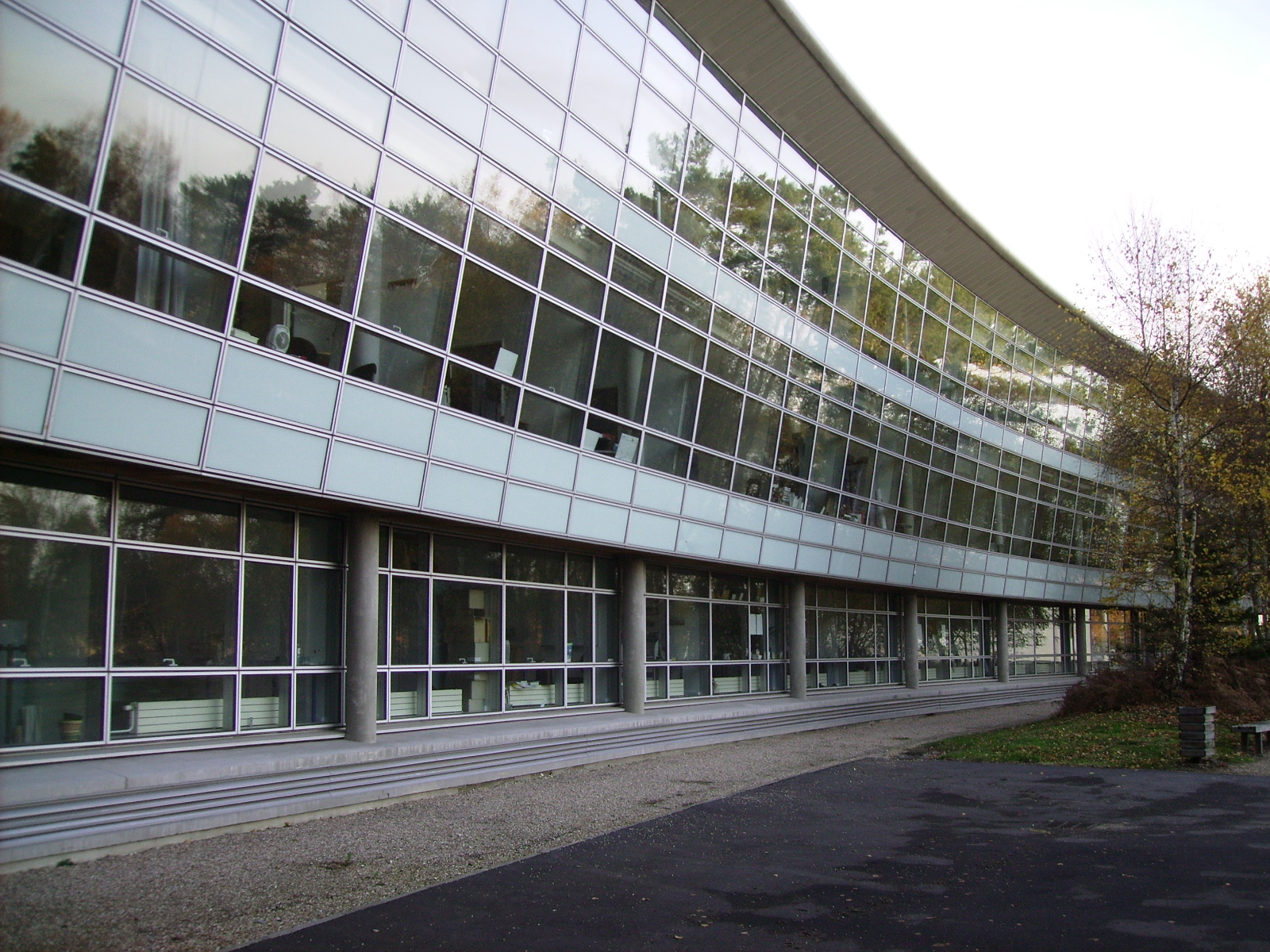
My research is based at INSA Rouen Normandie, within the Laboratory for Chemical Process Safety: a setting where engineering education, experimentation and process modelling come together.

The engineering school

INSA Rouen Normandie

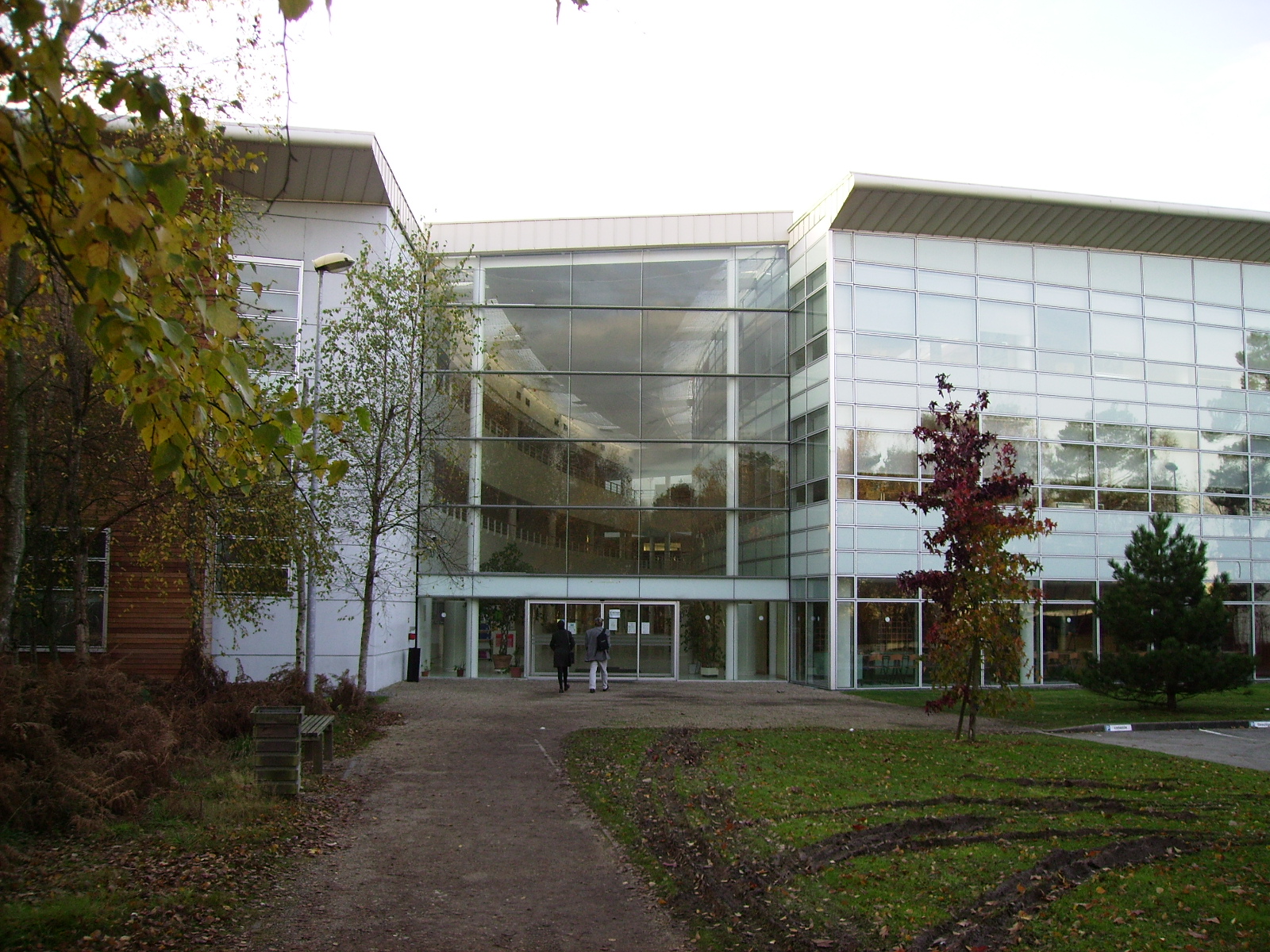
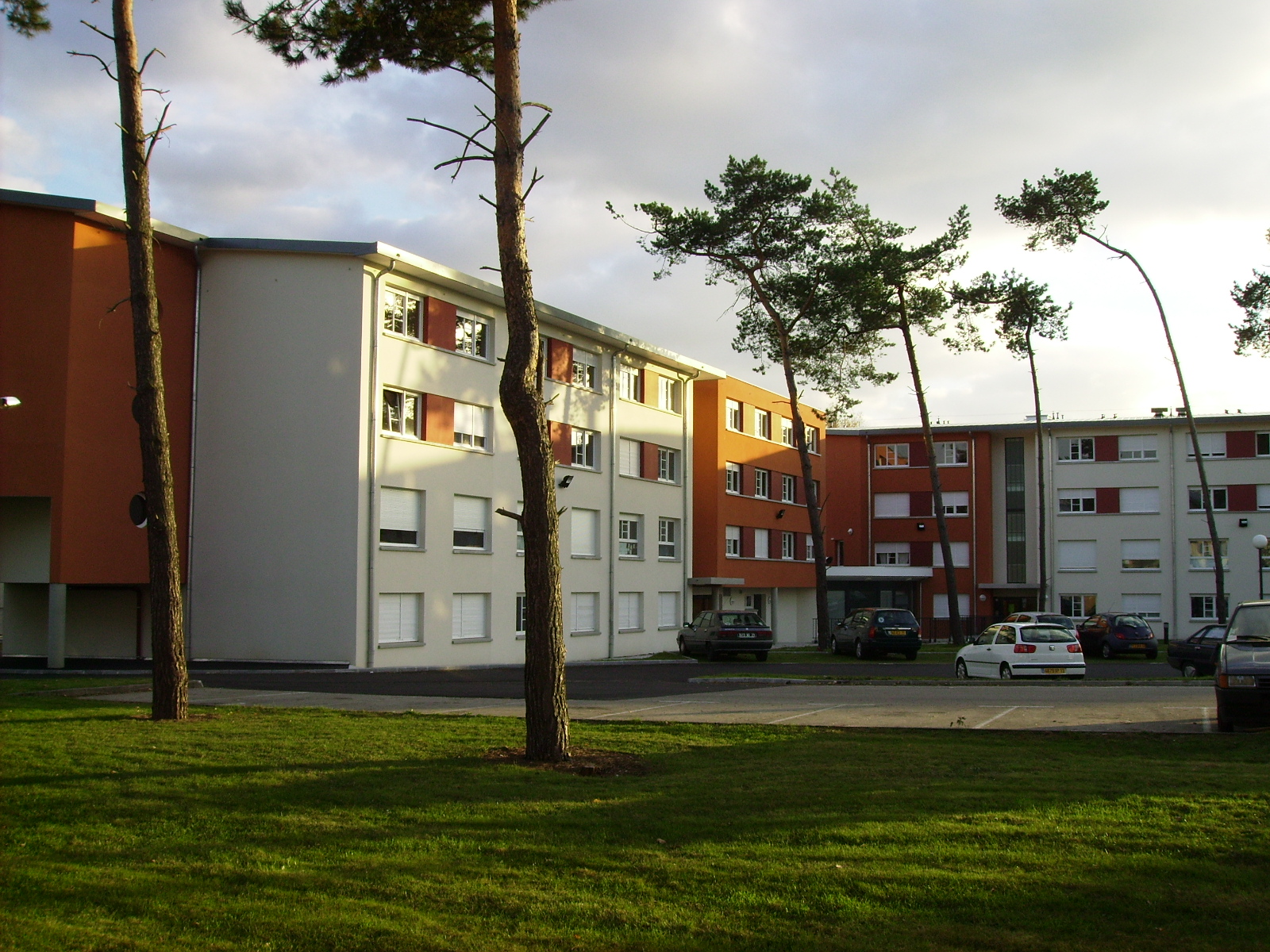
INSA Rouen Normandie brings together engineering education, research and doctoral training. Its main campus at Madrillet, in Saint-Étienne-du-Rouvray, is part of the Rouen metropolitan area in Normandy, northern France.

Explore INSA Rouen Normandie

The research laboratory · UR 4704

LSPC

The Laboratory for Chemical Process Safety is a joint research unit of INSA Rouen Normandie and the University of Rouen Normandie. Its work spans process safety, biomass valorisation and green chemistry, CO₂ capture and utilisation, and microwave-assisted processes.

Discover LSPC research

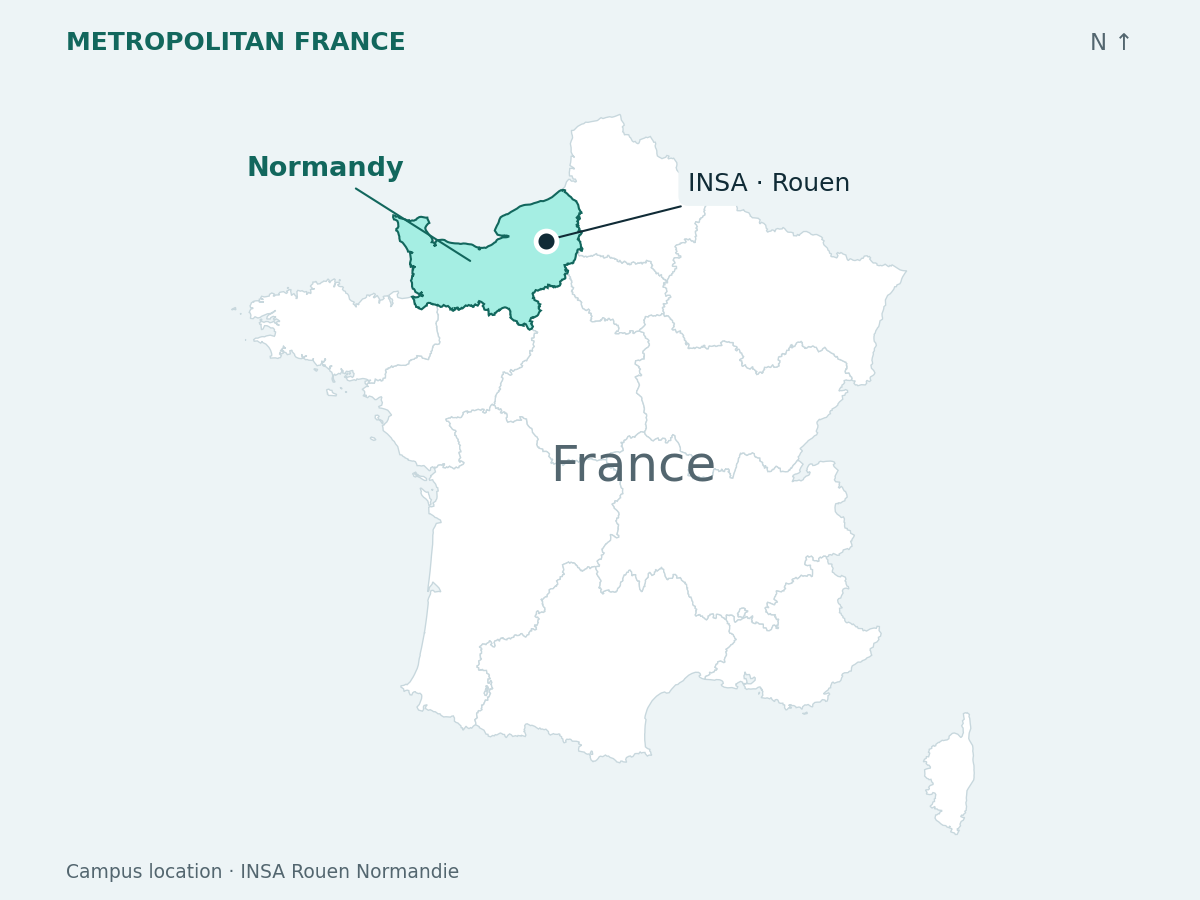
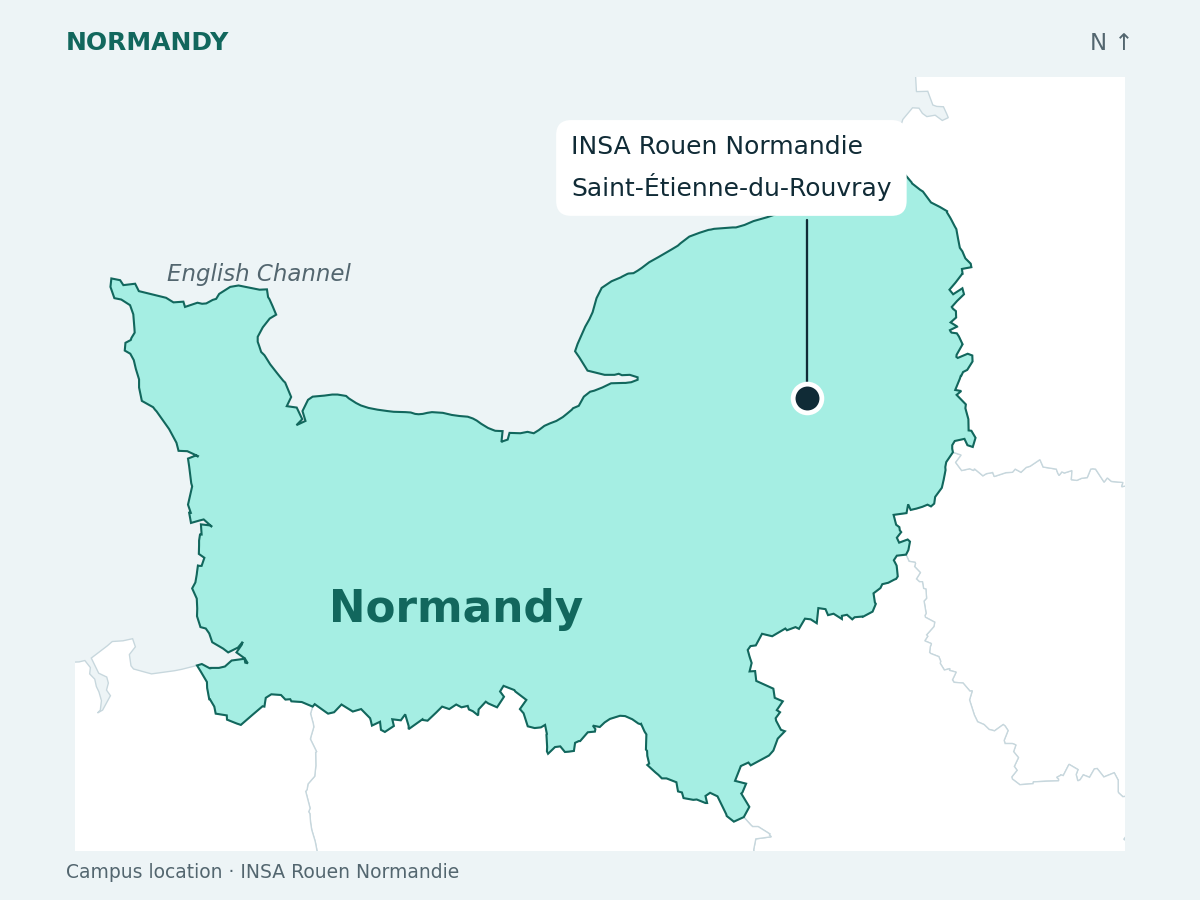
France → Normandy → Rouen metropolitan area

Find the Madrillet campus.

685 Avenue de l’Université
76800 Saint-Étienne-du-Rouvray, France
Open in Google Maps
Map of metropolitan France highlighting Normandy in the north, with a marker for INSA near Rouen.
Normandy in France
Map of Normandy locating INSA Rouen Normandie at Saint-Étienne-du-Rouvray in the eastern part of the region.
INSA Rouen Normandie · Saint-Étienne-du-Rouvray

Locator maps · Regional boundaries: IGN / data.gouv.fr, ODbL. Campus location: © OpenStreetMap contributors, ODbL.

07 / Contact

Have a research question?
Let’s talk.

Collaborative projects, academic or industry partnerships,
doctoral research: get in touch to discuss your ideas.

lokmane.abdelouahed@insa-rouen.fr
LA.

Lokmane Abdelouahed

INSA Rouen Normandie
LSPC–MRIE
Saint-Étienne-du-Rouvray, France